Surfing · California
Surfing in California
Surf 51 surf schools, camps and coaches across California. Maps, hours, contact info, photos, and verified operator profiles, all in one place.
Coastline, Sierras, deserts, and redwoods. Every outdoor environment in one state.
About California
Best time to go
When to surf in California
Year-round. Conditions vary dramatically by region.
- September–November: the cleanest, most consistent surf of the year
- Winter: largest, most powerful NW swells (advanced)
- Summer: smaller south swells and the warmest water, best for learning
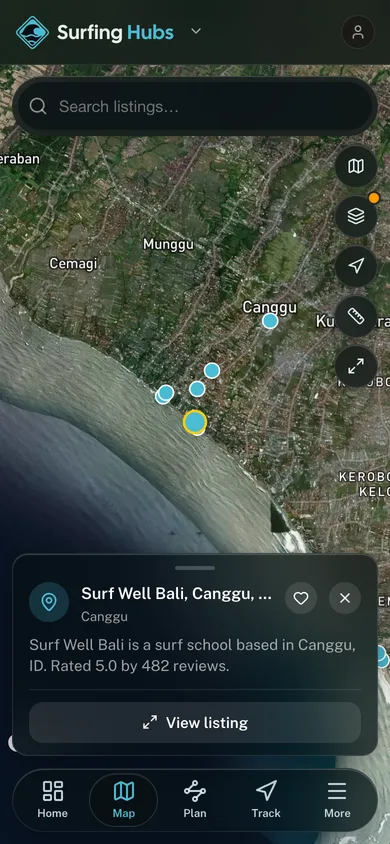
51 on the map
Tap a pin to open its profile.
Quick facts
- Surf schools, camps and coaches listed
- 51
- Best season
- Year-round
All listings
51 surf schools, camps and coaches
across California


Watch it live
Live webcams in California
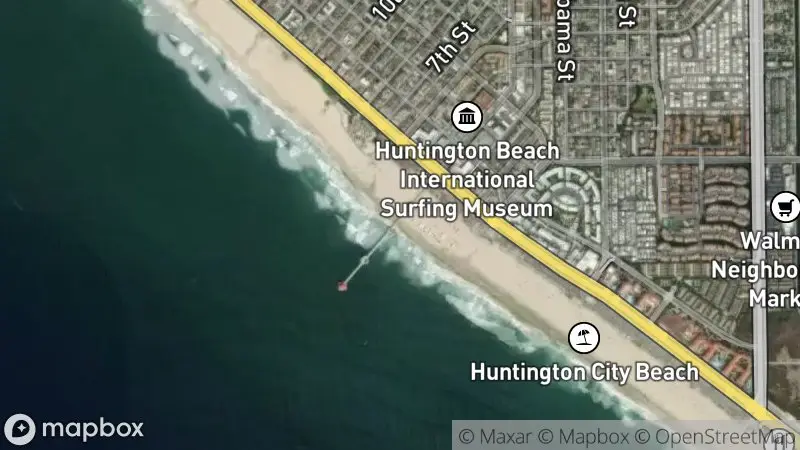 Location
Huntington Beach Pier
via HBcams
Watch live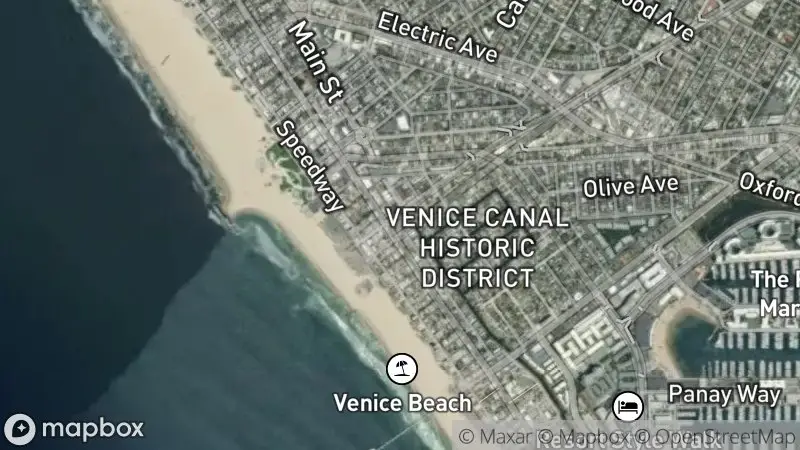 Location
Venice Beach
via HDOnTap
Watch live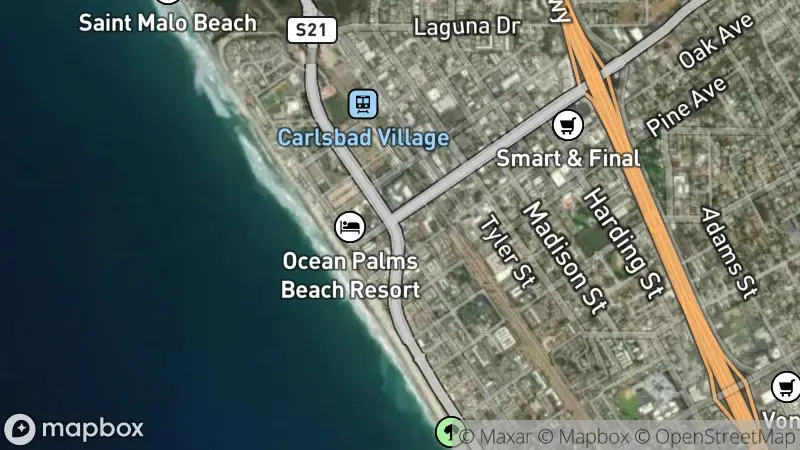 Location
Carlsbad State Beach
via HDOnTap
Watch livePlan your trip
Plan your trip to California
Swell Season and Consistency
California experiences distinct swell seasons: strong northwest swells dominate winter, while south swells are more prevalent in summer. Fall often offers a mix of both. Consistency varies by region; Southern California tends to have more frequent, smaller surf, while Central and Northern California can experience longer flat spells between large swells.
Beginner vs. Advanced Breaks
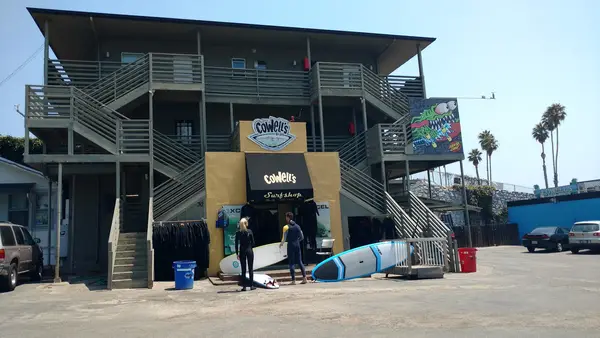
The state offers a spectrum of breaks. Beginner-friendly spots like San Onofre (SoCal) or Cowell's Beach (Santa Cruz) feature gentle, rolling waves. Intermediate and advanced surfers can find challenging point breaks like Rincon or powerful beach breaks. Big wave spots like Mavericks require expert skills and specific conditions.
Water Temperature and Wetsuit Needs
California's Pacific waters are generally cold, necessitating a wetsuit year-round. Southern California waters range from the mid-60s F in summer to low 50s F in winter (requiring a 3/2mm to 4/3mm suit). Northern California is consistently colder, often in the low 50s F, demanding a 4/3mm or 5/4mm suit, often with booties, gloves, and a hood.
Surf School and Lesson Availability
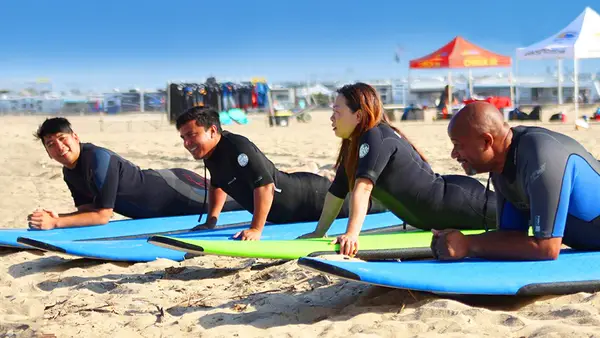
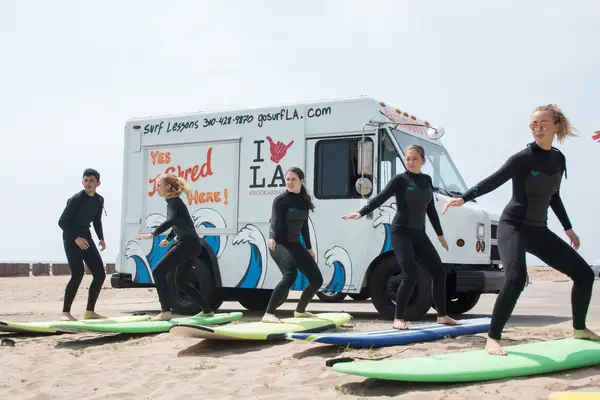
Surf schools and private lesson coaches are abundant across California, especially in popular surfing regions like San Diego, Orange County, Santa Cruz, and Malibu. Availability is highest during summer and early fall. It is advisable to book lessons or camp spots in advance, particularly during peak seasons, to secure preferred dates and instructors.
Local Etiquette and Access Notes
Respecting local surfers and beach access rules is paramount. Always observe the lineup before paddling out, understand right-of-way (the surfer closest to the peak has priority), and avoid dropping in on others' waves. Parking can be challenging at popular spots; be mindful of posted restrictions and private property boundaries.
Confirm current requirements with the state agency before your trip. Rules and fees change every season.
Coastal Access and Public Easements
California law protects public access to the coast, ensuring that most beaches are open to the public below the mean high tide line. However, access points to these beaches may be through private property, requiring visitors to use designated public pathways or access points. Always verify local regulations for specific beach entry points.
California Coastal CommissionMarine Protected Area (MPA) Regulations
Many coastal areas in California are designated as Marine Protected Areas (MPAs). While surfing is generally permitted within MPAs, specific regulations regarding fishing, harvesting, or disturbing marine life may apply. Visitors should be aware of the specific rules for each MPA they visit to ensure compliance.
California Department of Fish and WildlifeCommercial Surf School and Camp Permits
Operators of surf schools, camps, and guided lessons are typically required to obtain permits from the local city, county, or state park agencies that manage the beach areas they use. These permits ensure adherence to safety standards, insurance requirements, and proper use of public resources. Visitors should confirm that their chosen operator is properly licensed.
- 01
1. Define Your Skill Level and Goals
Be honest about where you stand: brand new, working to improve, or ready for real waves. That answer drives your choice of spot, your season, and whether you book a lesson or a full camp.
- 02
2. Research Surf Spots and Conditions
Zero in on regions and breaks that match your level and your travel dates. Lean on surf forecasts and local guides to learn the typical swell, tide, and weather patterns where you're headed.
- 03
3. Arrange Equipment and Wetsuit Needs
Decide whether you're renting a board and suit or bringing your own. Schools and local shops rent both. A wetsuit is essential year-round, and you'll want it thicker for colder northern water and winter.
- 04
4. Consider Lessons or a Surf Camp
If you're starting out or polishing your skills, a lesson with a certified instructor or a multi-day camp pays off. California has strong operators across every major surf region.
- 05
5. Understand Local Etiquette and Safety
Learn the basics, right-of-way and not dropping in, before you paddle out. Know your limits and watch for rip currents and marine life, and check for local warnings before you get in the water.
01What is the best time of year for beginner surfers in California?
02Do I need a wetsuit to surf in California?
03Can I just show up at a beach and surf anywhere?
04Are there big waves in California?
05How do I find a reputable surf school or coach?
Free tools
Your free outdoor toolkit

Everything Map
Listings, trails, spots, clubs and public land on a single full-screen map. Switch layers on and off, then tap any point for the details.
Open Everything MapRoute Planner
Drop stops on a map and watch distance and drive time add up. Export a GPX or share the link.
Open Route PlannerSurf Clubs
Browse local clubs with meeting info and how to join, or start your own for free.
Open Surf ClubsPhoto ID
Point your camera at whatever you found and get a structured identification. No signup.
Open Photo IDGear Checklists
Printable, save-as-you-go packing lists. Tick items off and pull them up on your phone.
Open Gear ChecklistsMaintenance Schedules
Pick your machine and get its full service schedule. Add your hours to turn intervals into dates.
Open Maintenance Schedules