Surfing · Georgia
Surfing in Georgia
Surf 6 surf schools, camps and coaches across Georgia. Maps, hours, contact info, photos, and verified operator profiles, all in one place.
Southern Appalachians down to the Sea Islands and Okefenokee Swamp.
About Georgia
Best time to go
When to surf in Georgia
March through November.
- August–October: hurricane season brings the best swells
- Winter: powerful nor’easters, but cold, so bring a thick wetsuit
- Summer: frequently flat outside of tropical activity
6 on the map
Tap a pin to open its profile.
Quick facts
- Surf schools, camps and coaches listed
- 6
- Best season
- March through November
All listings
6 surf schools, camps and coaches
across Georgia
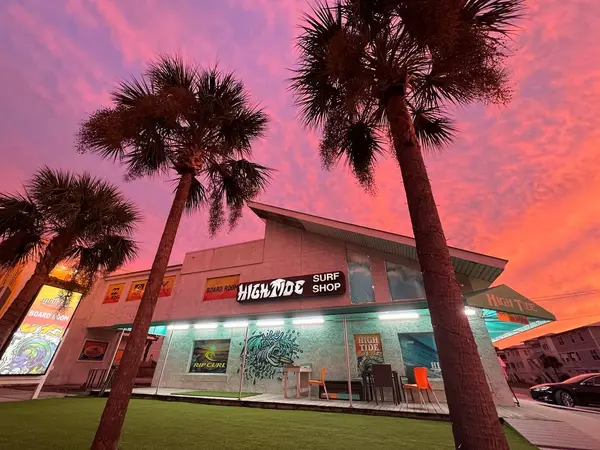
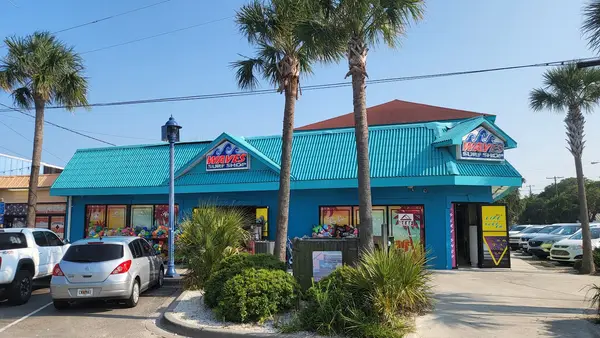
Watch it live
Live webcams in Georgia
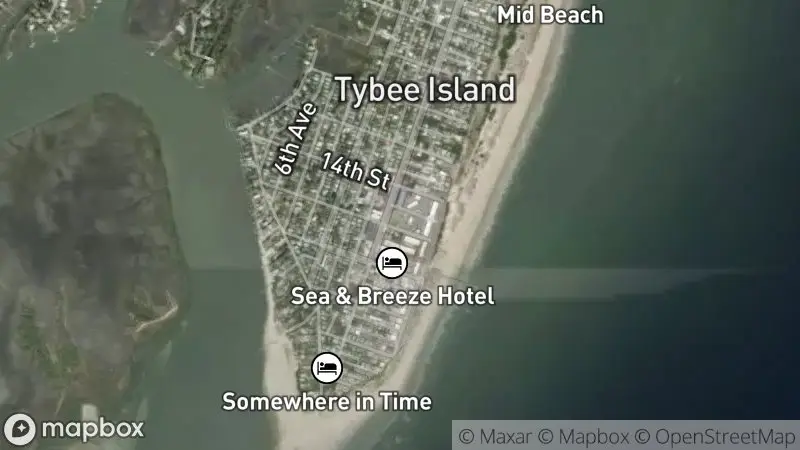 Location
Tybee Island Beach Cam
via Hotel Tybee
Watch livePlan your trip
Plan your trip to Georgia
Swell Season & Consistency
Georgia's surf is inconsistent, primarily relying on strong nor'easters or hurricane swells from late summer through fall. Winter can also produce rideable waves, but consistent surf is not a daily occurrence.
Beginner vs. Advanced Breaks
Most breaks are beach breaks, suitable for beginners and intermediates. Advanced surfers might find limited challenges, but during strong swells, some spots can offer faster, more powerful rides, especially on Tybee Island.
Water Temperature & Wetsuit Needs
Water temperatures range from the low 50s°F in winter to high 80s°F in summer. A 4/3mm or 3/2mm wetsuit is common for cooler months, while spring and fall might require a springsuit or shorty. Summer often allows for boardshorts or a rashguard.
Surf School and Lesson Availability
Surf schools and individual coaches are primarily found on Tybee Island and Jekyll Island, offering lessons and camps, especially during the warmer, gentler summer months when conditions are ideal for learning. Booking in advance is recommended.
Local Etiquette & Access Notes
Be respectful of local surfers and beachgoers. Parking can be limited at popular spots, especially on weekends and holidays. Always check local beach regulations regarding access points, hours, and any specific surfing zones or restrictions.
Confirm current requirements with the state agency before your trip. Rules and fees change every season.
Beach Access Rules
Many beaches, particularly on the barrier islands, have specific access points, hours, and parking regulations. Visitors should check with local county or island authorities for details regarding public beach access and any associated fees.
Tybee Island Official SiteSurf School/Camp Licensing
Commercial surf schools and camps operating on public beaches or within state park areas may require permits or business licenses from the local municipality or the Georgia Department of Natural Resources (DNR). Operators should verify requirements with the relevant local and state agencies.
Marine Wildlife Interaction
Georgia's coastal waters are home to diverse marine life, including sea turtles and dolphins. Regulations prohibit disturbing or interacting with these animals, especially during nesting season for sea turtles (May-October). Maintain a respectful distance.
Boating and Watercraft Regulations
If surf camps or lessons utilize motorized watercraft for transport or support, operators must comply with Georgia's boating regulations, including registration and safety equipment requirements. All boat operators must adhere to state and federal navigation rules.
Georgia Department of Natural Resources
- 01
Research Current Conditions
Before you go, check surf forecasts, tide charts, and local weather for Tybee or Jekyll. Georgia's surf hangs entirely on swell direction and strength, so staying informed makes or breaks the trip.
- 02
Choose Your Season Wisely
Beginners get warm water and small, manageable waves in summer. If you want size, target fall and winter during nor'easters or hurricane activity for the best odds of rideable surf.
- 03
Book Lessons or Camps
New to surfing or to Georgia's quirks? Book a lesson with a local school on Tybee or Jekyll. They supply the gear and the local knowledge on safe practices and where to find the waves.
- 04
Prepare for Water Temperature
Pack wetsuit gear to match the season. Summers are warm, but spring, fall, and especially winter call for a full suit, and possibly booties and gloves, to stay comfortable in the cooler Atlantic.
- 05
Understand Local Access
Get familiar with access points, parking rules, and any surfing regulations at your chosen spot, particularly on public beaches and in state parks. Respect the local signage and guidelines.
01Is Georgia a good place to learn how to surf?
02When is the best time of year to surf in Georgia?
03Are there surf schools or camps available in Georgia?
04What kind of wetsuit do I need for surfing in Georgia?
05Are there any specific hazards to be aware of while surfing in Georgia?
06Can I rent surfboards and other gear in Georgia?
Free tools
Your free outdoor toolkit
Everything Map
Listings, trails, spots, clubs and public land on a single full-screen map. Switch layers on and off, then tap any point for the details.
Open Everything MapRoute Planner
Drop stops on a map and watch distance and drive time add up. Export a GPX or share the link.
Open Route PlannerSurf Clubs
Browse local clubs with meeting info and how to join, or start your own for free.
Open Surf ClubsPhoto ID
Point your camera at whatever you found and get a structured identification. No signup.
Open Photo IDGear Checklists
Printable, save-as-you-go packing lists. Tick items off and pull them up on your phone.
Open Gear ChecklistsMaintenance Schedules
Pick your machine and get its full service schedule. Add your hours to turn intervals into dates.
Open Maintenance Schedules
Keep exploring