Surfing · Hawaii
Surfing in Hawaii
Surf 46 surf schools, camps and coaches across Hawaii. Maps, hours, contact info, photos, and verified operator profiles, all in one place.
Volcanic peaks rising 13,000 feet from a tropical Pacific.
About Hawaii
Best time to go
When to surf in Hawaii
Year-round. Winter brings the biggest North Pacific surf.
- November–February: huge North Shore surf for experts
- June–August: fun south-shore swells, better for most surfers
- Respect local conditions, winter Hawaii is serious
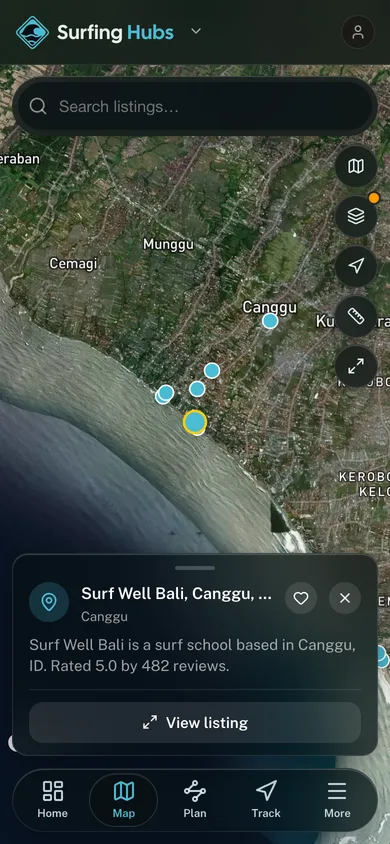
46 on the map
Tap a pin to open its profile.
Quick facts
- Surf schools, camps and coaches listed
- 46
- Best season
- Year-round
All listings
46 surf schools, camps and coaches
across Hawaii
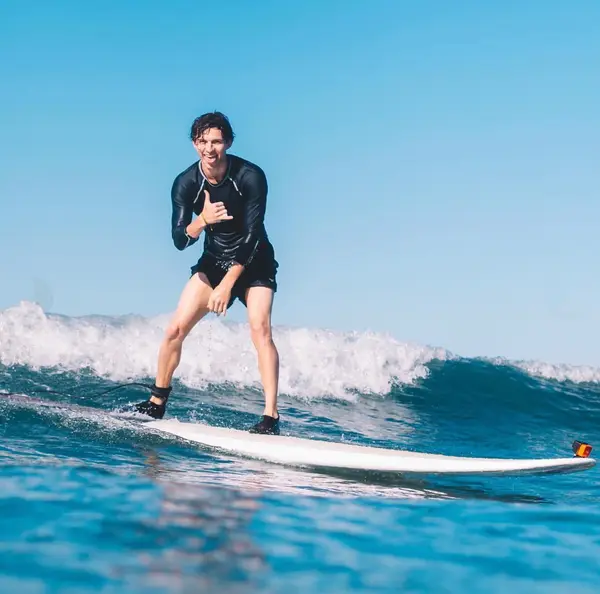
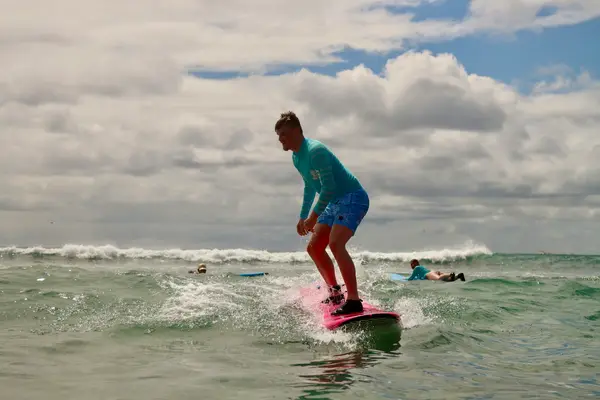
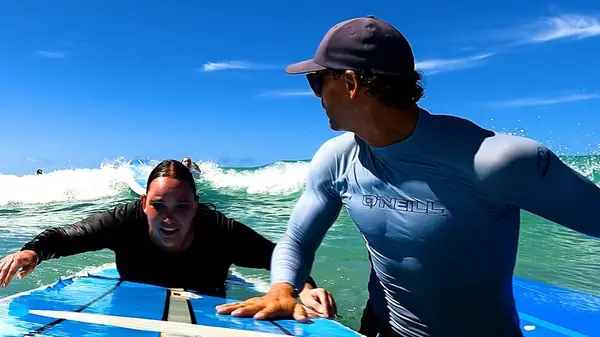
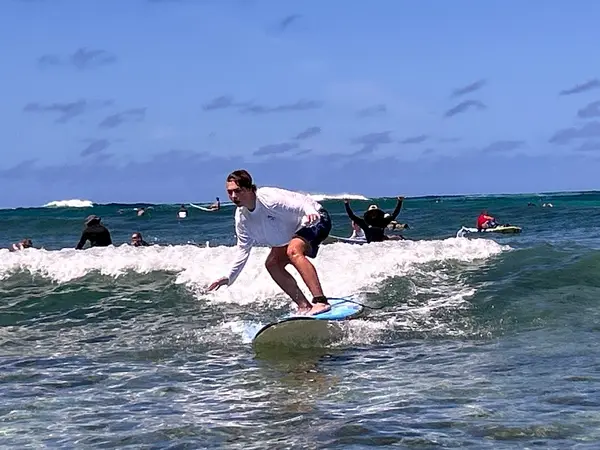

Watch it live
Live webcams in Hawaii
 Location
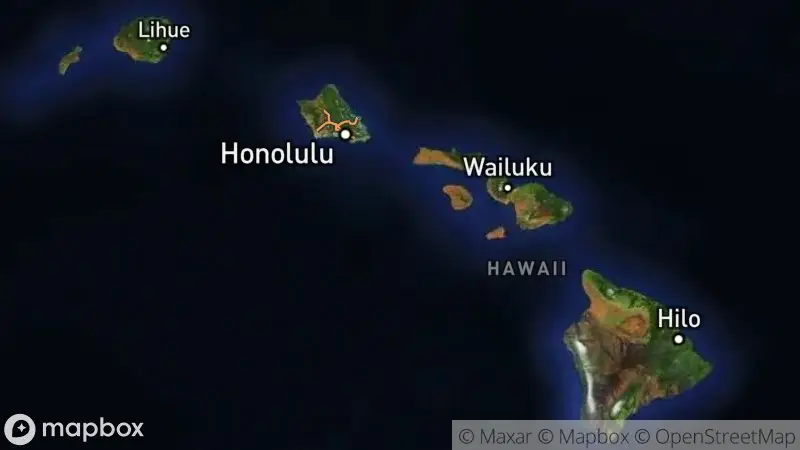
Hawaii Surf Cams
via LiveBeaches
Watch live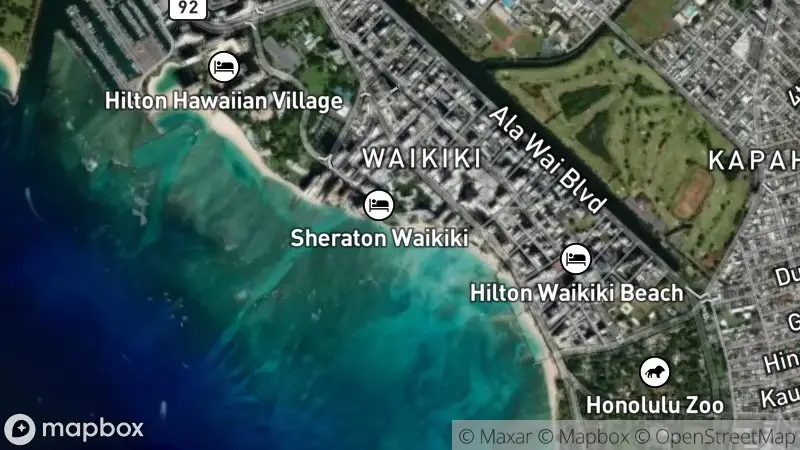 Location
Waikiki Beach Cam (Sheraton Waikiki)
via Sheraton Waikiki / Ozolio
Watch livePlan your trip
Plan your trip to Hawaii
Swell Season and Consistency
Hawaii experiences distinct swell seasons. Winter (November-March) brings large, powerful swells to the north shores of all islands, while summer (May-September) features consistent, smaller swells on the south shores. East-facing shores receive trade-wind swells year-round. Researching the current swell forecast is crucial for finding appropriate waves for your skill level.
Beginner vs. Advanced Breaks
Hawaii offers a spectrum of breaks. Waikiki Beach on Oahu and areas around Lahaina on Maui are excellent for beginners with gentle, forgiving waves and numerous surf schools. Advanced surfers should look to Oahu's North Shore (winter) or Maui's Honolua Bay (winter) and Pe'ahi (Jaws) for challenging, powerful waves. Always assess conditions carefully before entering the water.
Water Temperature and Wetsuit Needs
Hawaii's ocean water temperatures are consistently warm, typically ranging from 75-80°F (24-27°C) year-round. Most surfers find a rash guard and board shorts sufficient for sun protection and minor warmth. A light wetsuit top or vest may be preferred by some for dawn patrols or extended sessions, but full wetsuits are generally unnecessary.
Surf School and Lesson Availability
Surf schools and private lesson coaches are widely available across the main islands, particularly in popular tourist areas like Waikiki (Oahu), Lahaina (Maui), and Poipu (Kauai). It is advisable to book lessons or camp spots in advance, especially during peak travel seasons, to secure preferred dates and instructors. Verify instructor certifications and safety protocols.
Local Etiquette and Ocean Safety
Respect for local surfers and ocean safety rules is paramount. Always observe the 'pecking order' in the lineup, do not drop in on another surfer, and apologize if you make a mistake. Prioritize safety by never turning your back on the ocean, knowing your limits, and being aware of currents, reefs, and marine life. Heed all lifeguard warnings and signage.
Confirm current requirements with the state agency before your trip. Rules and fees change every season.
Ocean Safety and Awareness
While not a formal license, all ocean users in Hawaii are expected to adhere to general ocean safety guidelines and advisories issued by local authorities. This includes understanding rip currents, respecting marine life, and knowing when conditions are too dangerous. Always check local beach conditions and heed lifeguard warnings.
Hawaii DLNR DOBORMarine Protected Area Compliance
Hawaii has numerous Marine Protected Areas (MPAs) and Ocean Recreation Management Areas (ORMAs) with specific rules regarding activities, fishing, and interaction with marine life. Surfers must be aware of and comply with these regulations, particularly those prohibiting disturbance of coral reefs or marine animals.
Hawaii DLNR DARProtected Species Interaction
It is illegal to touch, harass, or feed protected marine species such as Hawaiian green sea turtles (Honu) and Hawaiian monk seals. Keep a respectful distance both in and out of the water: NOAA recommends staying at least 10 feet from sea turtles and at least 50 feet from Hawaiian monk seals (150 feet from seal mothers with pups). Violations can result in significant fines and penalties.
Hawaii DLNR DARCommercial Operation Permits
Surf schools, camps, and lesson coaches operating commercially on state lands or waters are required to hold appropriate permits and licenses from the Department of Land and Natural Resources (DLNR) or relevant county agencies. Visitors booking lessons should verify that their chosen operator is properly licensed and insured.
Hawaii DLNR DOBOR
- 01
1. Research Swell Seasons and Island Options
Match the timing to your ability and the wave size you want. North shores are winter's advanced arena; south shores are the summer beginner's playground. Pick the island that fits the surf experience and the trip you're after.
- 02
2. Book Lessons or Surf Camp
Beginners should start with a certified surf school or a multi-day camp; intermediate and advanced surfers get more from a guided tour that unlocks local breaks. Book early, peak travel windows fill up fast.
- 03
3. Arrange Accommodation and Transportation
Stay close to your chosen break or school. A rental car pays off in flexibility, letting you chase waves and sights across the island, just make sure it can carry a board if you plan to rent one.
- 04
4. Pack Essential Gear and Sun Protection
Bring a swimsuit, a rash guard, reef-safe sunscreen, and a wide-brimmed hat. Boards are easy to rent, but pack your own if you have a favorite and you're traveling for a while. A waterproof pouch for valuables earns its keep.
- 05
5. Learn Local Etiquette and Ocean Safety
Before you paddle out, learn the basics: respect the lineup, never drop in. Understand how rip currents work and the rules around marine life. Check local conditions and do what the lifeguards tell you.
01What is the best time of year for beginner surfers in Hawaii?
02Do I need a wetsuit to surf in Hawaii?
03How do I find a reputable surf school or coach?
04Are there surf camps available for adults and children?
05What are the most important surf etiquette rules to follow?
06Is it safe to surf in Hawaii, especially for beginners?
Free tools
Your free outdoor toolkit

Everything Map
Listings, trails, spots, clubs and public land on a single full-screen map. Switch layers on and off, then tap any point for the details.
Open Everything MapRoute Planner
Drop stops on a map and watch distance and drive time add up. Export a GPX or share the link.
Open Route PlannerSurf Clubs
Browse local clubs with meeting info and how to join, or start your own for free.
Open Surf ClubsPhoto ID
Point your camera at whatever you found and get a structured identification. No signup.
Open Photo IDGear Checklists
Printable, save-as-you-go packing lists. Tick items off and pull them up on your phone.
Open Gear ChecklistsMaintenance Schedules
Pick your machine and get its full service schedule. Add your hours to turn intervals into dates.
Open Maintenance Schedules