Surfing · New Jersey
Surfing in New Jersey
Surf 20 surf schools, camps and coaches across New Jersey. Maps, hours, contact info, photos, and verified operator profiles, all in one place.
Jersey Shore, Pine Barrens, and the Delaware Water Gap.
About New Jersey
Best time to go
When to surf in New Jersey
April through November.
- August–October: hurricane season brings the best swells
- Winter: powerful nor’easters, but cold, so bring a thick wetsuit
- Summer: frequently flat outside of tropical activity
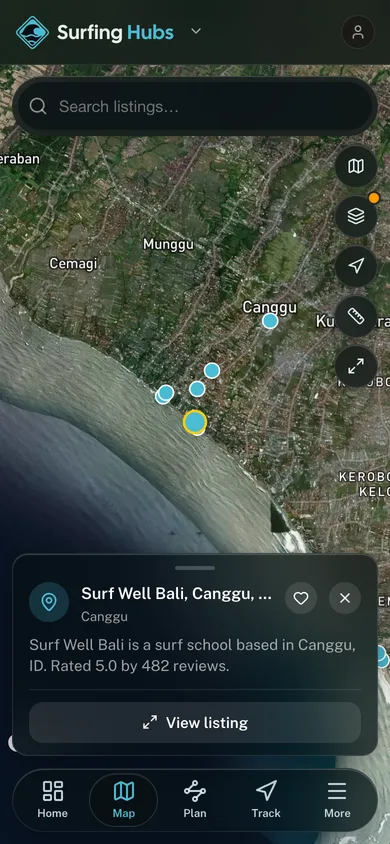
20 on the map
Tap a pin to open its profile.
Quick facts
- Surf schools, camps and coaches listed
- 20
- Best season
- April through November
All listings
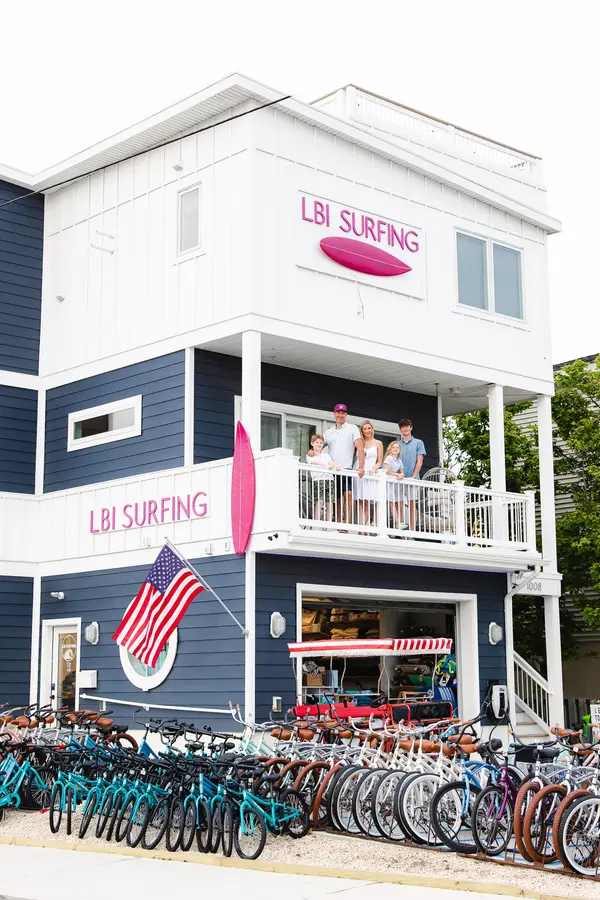
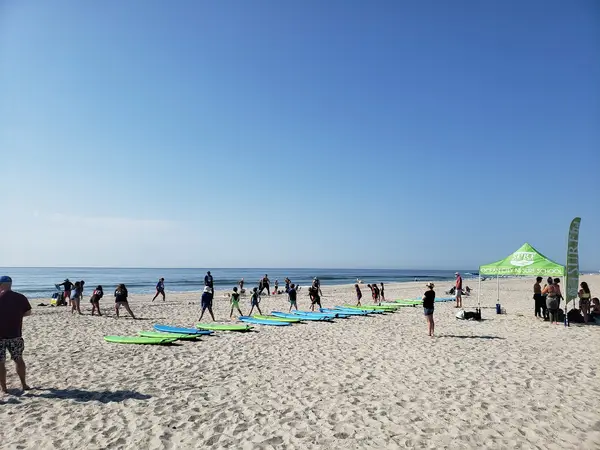
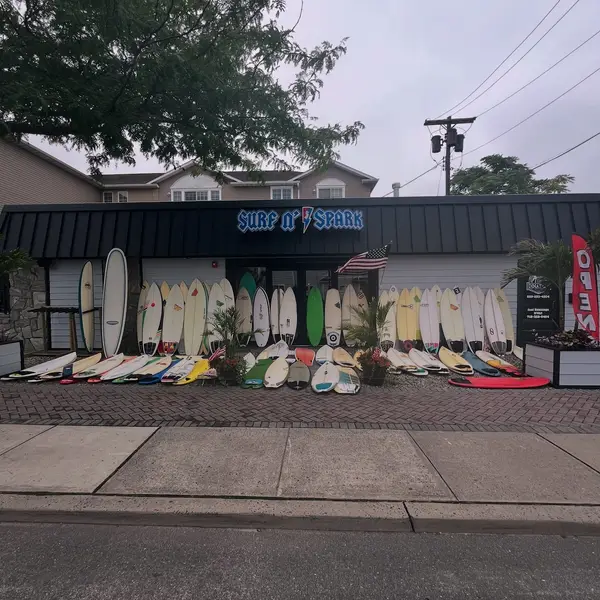
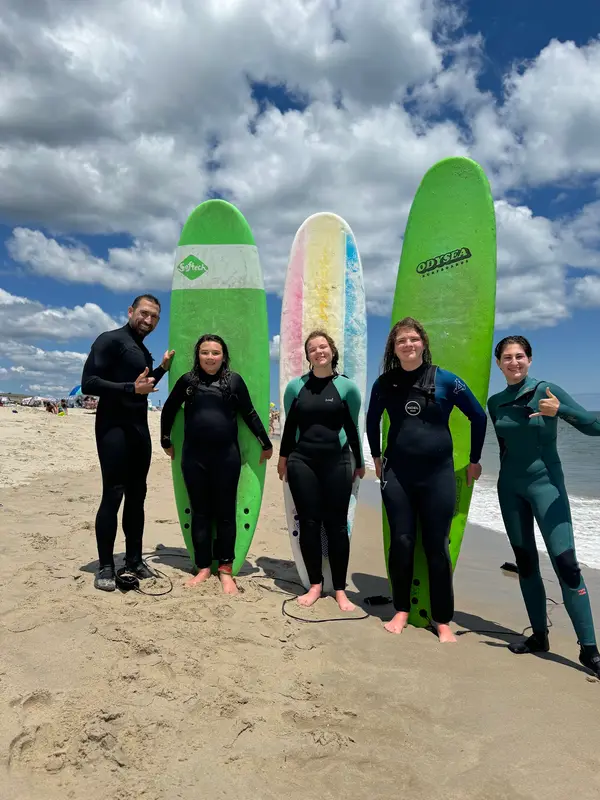
20 surf schools, camps and coaches
across New Jersey















Watch it live
Live webcams in New Jersey
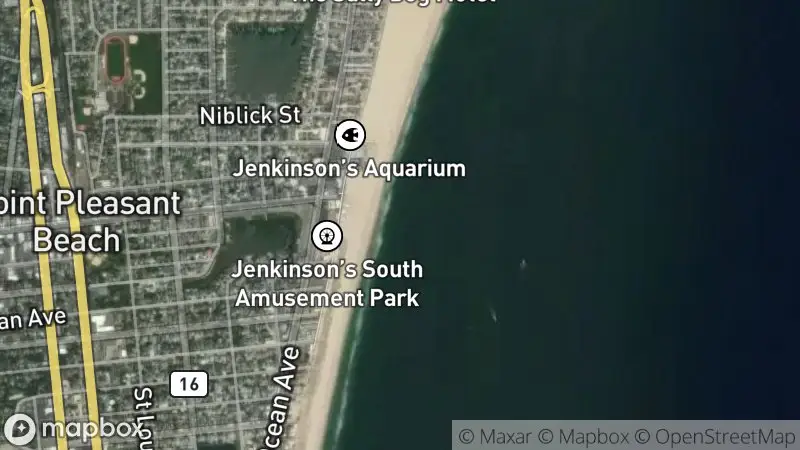 Location
Jenkinson's Boardwalk Beach Cam
via Jenkinson's Boardwalk
Watch livePlan your trip
Plan your trip to New Jersey
Swell Season and Consistency
New Jersey experiences its most consistent and powerful swells during the fall and winter months, driven by nor'easters and hurricane activity. Summer typically offers smaller, less frequent waves, making it suitable for beginners, while spring can be a transition period with lingering winter energy.
Beginner vs. Advanced Breaks
Many of New Jersey's numerous beach breaks are excellent for beginners, especially during the summer's smaller swells. More advanced surfers will find challenging conditions around the jetties and during larger fall and winter swells, which can produce powerful, hollow waves.
Water Temperature and Wetsuit Needs
Wetsuit requirements vary significantly by season. Summer may only require boardshorts or a spring suit, but spring and fall demand a 3/2mm or 4/3mm fullsuit. Winter surfing necessitates a 5/4mm or 6/5mm wetsuit with boots, gloves, and a hood due to very cold Atlantic waters.
Surf School and Lesson Availability
Surf schools and lesson coaches are abundant and highly active across New Jersey's coastal towns during the summer months. Availability significantly decreases in the shoulder seasons of spring and fall, and very few, if any, operations offer lessons during the cold winter period.
Local Etiquette and Access Notes
Respect local lineups and be aware of beach badge requirements, which are common for access to many New Jersey beaches during the summer season. Parking can be challenging in popular towns, especially on peak summer days, so plan to arrive early or utilize public transportation where available.
Confirm current requirements with the state agency before your trip. Rules and fees change every season.
Beach Access Requirements (Beach Badges)
Many New Jersey municipalities require the purchase of a beach badge for access to their beaches, typically enforced from Memorial Day to Labor Day. These badges are sold daily, weekly, or seasonally by local authorities. Verify specific requirements with the local beach patrol or municipal office for your chosen surf spot.
Business Registration for Surf Schools/Camps
Any entity operating a surf school, surf camp, or offering paid surf lessons in New Jersey must register their business with the New Jersey Department of the Treasury. This ensures compliance with state business laws, tax regulations, and proper legal operation within the state.
Youth Camp Licensing
Surf camps that provide services primarily to minors may be subject to licensing and inspection requirements by the New Jersey Department of Health. These regulations are in place to ensure the health, safety, and welfare of children attending recreational camps throughout the state.
- 01
Research Surf Spots and Conditions
Match the spot to your ability and the time of year, then read the forecast (swell size, direction, wind, and tide), before you commit to a break. What works in July rarely works in December.
- 02
Assess Wetsuit Requirements
Pick your rubber by the calendar. Jersey water swings from boardshort-warm in high summer to needing a 6/5mm and full accessories once winter sets in, so match the suit to the month.
- 03
Understand Beach Access Rules
Sort out access before you go. Many towns require summer beach badges, parking fills fast, and a few spots carry their own local surfing rules, know them ahead of time.
- 04
Consider Lessons or Guided Trips
New to it, or new to Jersey's breaks? Book a lesson or hire a coach. They hand you the safety basics, the local read, and instruction pitched to where you actually are.
- 05
Plan for Safety and Etiquette
Learn to spot rip currents and read the ocean before you paddle out. Know your right-of-way, wait your turn, and give the lineup the respect that keeps the session good for everyone.
01What is the best time of year to surf in New Jersey?
02Are wetsuits required for surfing in New Jersey?
03Can beginners find good surf spots in New Jersey?
04Are there surf schools and camps available in New Jersey?
05What should I know about beach access in New Jersey?
06How do I find out about local surf conditions and forecasts?
Free tools
Your free outdoor toolkit

Everything Map
Listings, trails, spots, clubs and public land on a single full-screen map. Switch layers on and off, then tap any point for the details.
Open Everything MapRoute Planner
Drop stops on a map and watch distance and drive time add up. Export a GPX or share the link.
Open Route PlannerSurf Clubs
Browse local clubs with meeting info and how to join, or start your own for free.
Open Surf ClubsPhoto ID
Point your camera at whatever you found and get a structured identification. No signup.
Open Photo IDGear Checklists
Printable, save-as-you-go packing lists. Tick items off and pull them up on your phone.
Open Gear ChecklistsMaintenance Schedules
Pick your machine and get its full service schedule. Add your hours to turn intervals into dates.
Open Maintenance Schedules
Keep exploring