Surfing · Rhode Island
Surfing in Rhode Island
Surf 9 surf schools, camps and coaches across Rhode Island. Maps, hours, contact info, photos, and verified operator profiles, all in one place.
Narragansett Bay, the Block Island Sound, and 400 miles of coast.
About Rhode Island
Best time to go
When to surf in Rhode Island
May through October.
- August–October: hurricane season brings the best swells
- Winter: powerful nor’easters, but cold, so bring a thick wetsuit
- Summer: frequently flat outside of tropical activity
9 on the map
Tap a pin to open its profile.
Quick facts
- Surf schools, camps and coaches listed
- 9
- Best season
- May through October
All listings
9 surf schools, camps and coaches
across Rhode Island
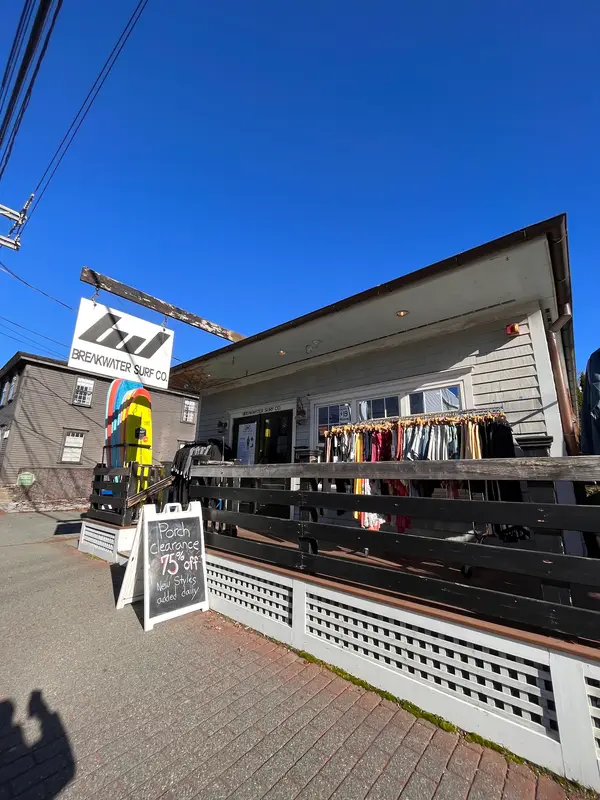




Watch it live
Live webcams in Rhode Island
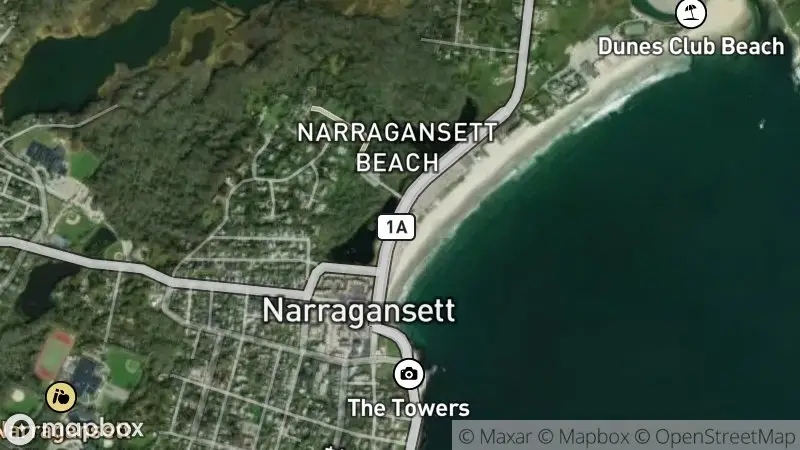 Location
Narragansett Surf Cam
via Northeast Surfing
Watch livePlan your trip
Plan your trip to Rhode Island
Swell Season and Consistency
Rhode Island's primary swell season runs from late summer through winter, with fall being the most consistent for quality waves driven by hurricane remnants and nor'easters. Summer offers smaller, more forgiving waves, ideal for learning.
Beginner vs. Advanced Breaks
Narragansett Town Beach is a well-regarded beach break perfect for beginners and intermediates due to its gentle, rolling waves. For advanced surfers, Ruggles in Newport provides powerful reef breaks when a solid south swell hits, offering challenging and hollow rides.
Water Temperature and Wetsuit Needs
Wetsuits are essential for most of the year. During winter, a 5/4mm or 6/5mm fullsuit with hood, boots, and gloves is necessary. Spring and fall typically require a 4/3mm, while summer can range from a 3/2mm to board shorts on the warmest days.
Surf School and Lesson Availability
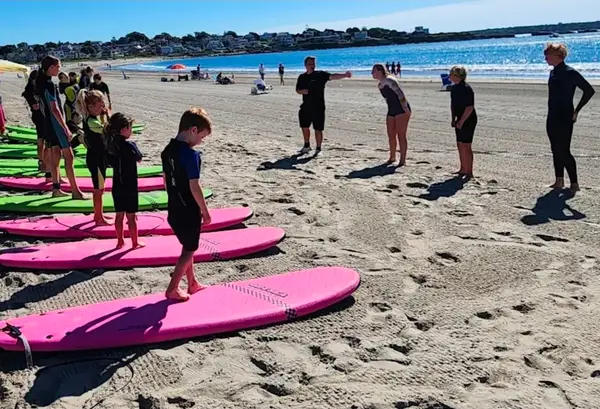
Numerous surf schools and independent coaches operate primarily in Narragansett and Westerly, with peak availability during the summer months. Lessons and surf camps are widely offered for all ages and skill levels, but advance booking is recommended in summer.
Local Etiquette and Access Notes
Respect local surfers and beachgoers by adhering to right-of-way rules and keeping a safe distance. Parking can be limited and often requires a town sticker or daily fee, especially at popular beaches during summer. Always check local signage for specific regulations.
Confirm current requirements with the state agency before your trip. Rules and fees change every season.
Surf School and Camp Business Registration
Any surf school, camp, or coaching service operating commercially in Rhode Island must be registered with the Rhode Island Secretary of State's office as a legal business entity. This ensures compliance with state business laws.
RI Secretary of StateCoastal Resources Management Council (CRMC) Permits
Commercial operations, including surf schools that utilize coastal waters or state-owned tidal lands, may require permits from the Rhode Island Coastal Resources Management Council (CRMC). This ensures activities are conducted in an environmentally responsible manner.
Local Beach Access and Parking Fees
Many popular surfing beaches, particularly in Narragansett and Westerly, are managed by local municipalities or state parks. These areas often require daily parking fees or seasonal passes for vehicle access. Specific fees and requirements vary by town and season; verify with the local town or state park authority.
- 01
1. Research Breaks and Conditions
Before you go, pin down spots that fit your level, then read the surf report: swell size, direction, and wind all swing wave quality hard in Rhode Island. What's perfect at one break can be a mess at the next.
- 02
2. Plan Your Wetsuit Needs
The water swings a lot across the year, so dial in the right thickness (a 3/2mm come summer, a 5/4mm in winter), plus boots, gloves, and a hood for the cold months. Guess wrong and you're cutting the session short.
- 03
3. Book Lessons or Camps (If New)
New to it or looking to improve? Book a lesson or a camp. Summer is prime time for instruction, and in Narragansett especially, the good slots fill early. Reserve ahead.
- 04
4. Understand Local Access and Parking
Sort out parking before you show up. Plenty of beaches charge for it, especially in peak season, and some limit hours or access points for surfing. A little homework saves a ticket and a long walk.
- 05
5. Pack Appropriately and Respect Locals
Beyond board and wetsuit, throw in reef-safe sunscreen, a towel, and water. Give local surfers their space, follow the etiquette in the lineup, and leave the beach the way you found it.
01What is the best time of year to surf in Rhode Island?
02Are there good surf spots for beginners in Rhode Island?
03Do I need a wetsuit to surf in Rhode Island?
04Can I find surf schools or coaches in Rhode Island?
05What are some spots for advanced surfers in Rhode Island?
06Is parking difficult at Rhode Island surf beaches?
Free tools
Your free outdoor toolkit

Everything Map
Listings, trails, spots, clubs and public land on a single full-screen map. Switch layers on and off, then tap any point for the details.
Open Everything MapRoute Planner
Drop stops on a map and watch distance and drive time add up. Export a GPX or share the link.
Open Route PlannerSurf Clubs
Browse local clubs with meeting info and how to join, or start your own for free.
Open Surf ClubsPhoto ID
Point your camera at whatever you found and get a structured identification. No signup.
Open Photo IDGear Checklists
Printable, save-as-you-go packing lists. Tick items off and pull them up on your phone.
Open Gear ChecklistsMaintenance Schedules
Pick your machine and get its full service schedule. Add your hours to turn intervals into dates.
Open Maintenance Schedules
Keep exploring