Surfing · Texas
Surfing in Texas
Surf 1 surf school across Texas. Maps, hours, contact info, photos, and verified operator profiles, all in one place.
Hill Country, Big Bend desert, Gulf coast, and the Piney Woods.
About Texas
Best time to go
When to surf in Texas
October through May for the south/desert; year-round for the Hill Country.
- August–October: hurricane season brings the best swells
- Winter: powerful nor’easters, but cold, so bring a thick wetsuit
- Summer: frequently flat outside of tropical activity
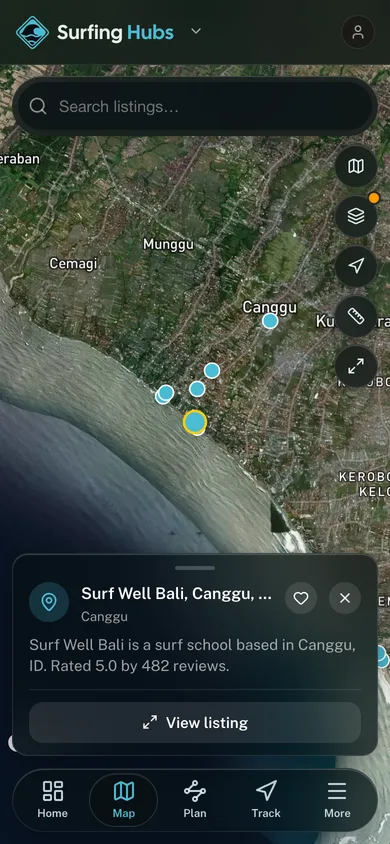
1 on the map
Tap a pin to open its profile.
Quick facts
- Surf schools, camps and coaches listed
- 1
- Best season
- October through May
All listings
1 surf school
across Texas
Watch it live
Live webcams in Texas
 Location
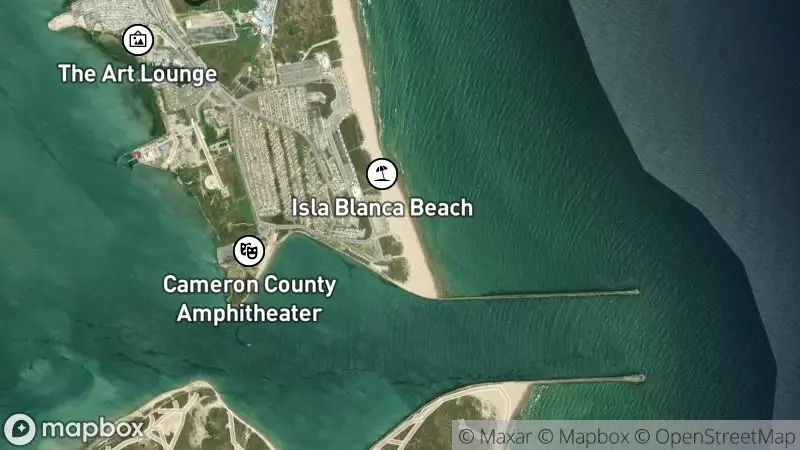
South Padre Island Surf Cam (Isla Blanca Jetties)
via SPadre.com
Watch live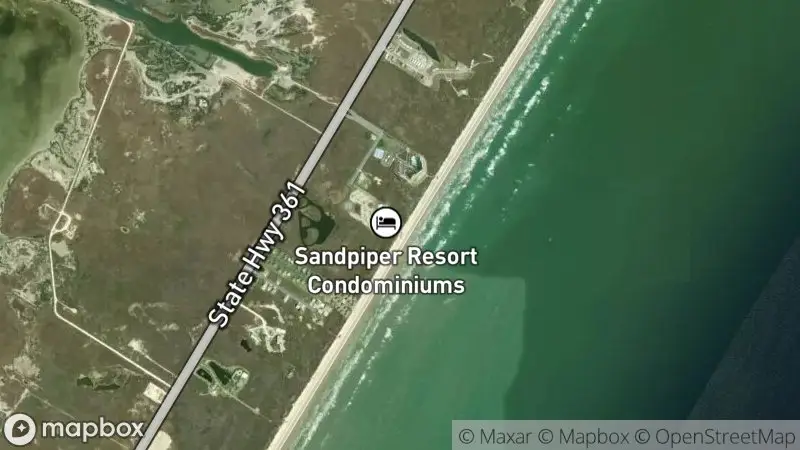 Location
Port Aransas Beach
via HDOnTap
Watch livePlan your trip
Plan your trip to Texas
Swell Season and Consistency
Texas surfing is largely dependent on wind-driven swells from cold fronts or tropical systems. The most consistent waves typically occur from late summer through fall (hurricane season) and into winter (cold front season). Summer often brings smaller, more beginner-friendly waves.
Beginner vs. Advanced Breaks
Most Texas surf spots are sand-bottom beach breaks, making them generally suitable for all skill levels. When large swells hit, certain spots can become challenging and offer advanced rides. Beginners will find ample opportunities for lessons and practice in gentler conditions.
Water Temperature and Wetsuit Needs
Water temperatures vary significantly. During summer, boardshorts are sufficient, with water often in the 80s°F. In spring and fall, a 3/2mm wetsuit is common. Winter surfing requires a 4/3mm or 5/4mm wetsuit, booties, and sometimes gloves, as water temperatures can drop into the 50s°F.
Surf School and Lesson Availability
Surf schools and independent lesson coaches are readily available in major coastal towns like Galveston, Corpus Christi, Port Aransas, and South Padre Island. It is advisable to book lessons in advance, especially during peak summer months and holidays, to ensure availability.
Local Etiquette and Access Notes
Respect local surfers and beachgoers. Follow posted signs regarding beach access, parking, and specific regulations for different zones. The Texas Open Beaches Act generally guarantees public access to beaches up to the vegetation line, but be mindful of private property adjacent to public areas.
Confirm current requirements with the state agency before your trip. Rules and fees change every season.
Coastal Public Access
The Texas Open Beaches Act ensures that the public has free and unrestricted access to the state's beaches, from the mean low tide line to the line of vegetation. Visitors should be aware of this right and respect any marked private property beyond the public easement.
Surf School Business Registration
Any entity operating a surf school or offering paid surf lessons in Texas must comply with state and local business licensing and registration requirements. This often includes obtaining a general business license and adhering to local zoning and operational permits specific to commercial beach activities. Verification with local city and county offices is essential.
Texas Secretary of StateYouth Camp Licensing
Surf camps that provide overnight or extended day care for minors may be subject to licensing and operational standards set by the Texas Department of Health and Human Services. These regulations cover safety, health, and staffing requirements to ensure the well-being of participants. Operators must verify specific requirements based on their camp's structure.
- 01
Research Seasonal Conditions
Pick the season that fits your ability. Fall and winter bring the bigger, tougher waves; summer stays gentle and good for learning. Either way, expect Gulf swell to be short-period and wind-driven, not long-lined groundswell.
- 02
Choose Your Region and Spot
Match a stretch of coast to your trip and your goals. Galveston, Port Aransas, and South Padre Island are the main hubs, each with its own wave character and its own surf infrastructure.
- 03
Book Lessons or a Surf Camp
If you're new or unfamiliar with how the Gulf works, book a lesson with a local school or sign onto a camp. You'll pick up the safety basics and progress a lot faster than going it alone.
- 04
Prepare Your Gear and Attire
Check the water temperature for your dates and pack accordingly. Summer is boardshorts and a rashguard; the cooler months call for a full wetsuit, booties, and maybe gloves.
- 05
Understand Local Regulations and Etiquette
Know the Open Beaches Act and any local rules on access, parking, and surf zones. Respect the locals, share the peak, and keep an eye out for marine life and rip currents.
01Is Texas a good state for surfing?
02When is the best time to surf in Texas?
03Do I need a wetsuit to surf in Texas?
04Are there surf schools and camps available in Texas?
05What are the best surf spots in Texas for beginners?
06Are rip currents a concern when surfing in Texas?
Free tools
Your free outdoor toolkit

Everything Map
Listings, trails, spots, clubs and public land on a single full-screen map. Switch layers on and off, then tap any point for the details.
Open Everything MapRoute Planner
Drop stops on a map and watch distance and drive time add up. Export a GPX or share the link.
Open Route PlannerSurf Clubs
Browse local clubs with meeting info and how to join, or start your own for free.
Open Surf ClubsPhoto ID
Point your camera at whatever you found and get a structured identification. No signup.
Open Photo IDGear Checklists
Printable, save-as-you-go packing lists. Tick items off and pull them up on your phone.
Open Gear ChecklistsMaintenance Schedules
Pick your machine and get its full service schedule. Add your hours to turn intervals into dates.
Open Maintenance Schedules