Surfing · Virginia
Surfing in Virginia
Surf 10 surf schools, camps and coaches across Virginia. Maps, hours, contact info, photos, and verified operator profiles, all in one place.
Shenandoah, the Chesapeake, and the southern Appalachians.
About Virginia
Best time to go
When to surf in Virginia
April through November.
- August–October: hurricane season brings the best swells
- Winter: powerful nor’easters, but cold, so bring a thick wetsuit
- Summer: frequently flat outside of tropical activity
10 on the map
Tap a pin to open its profile.
Quick facts
- Surf schools, camps and coaches listed
- 10
- Best season
- April through November
All listings
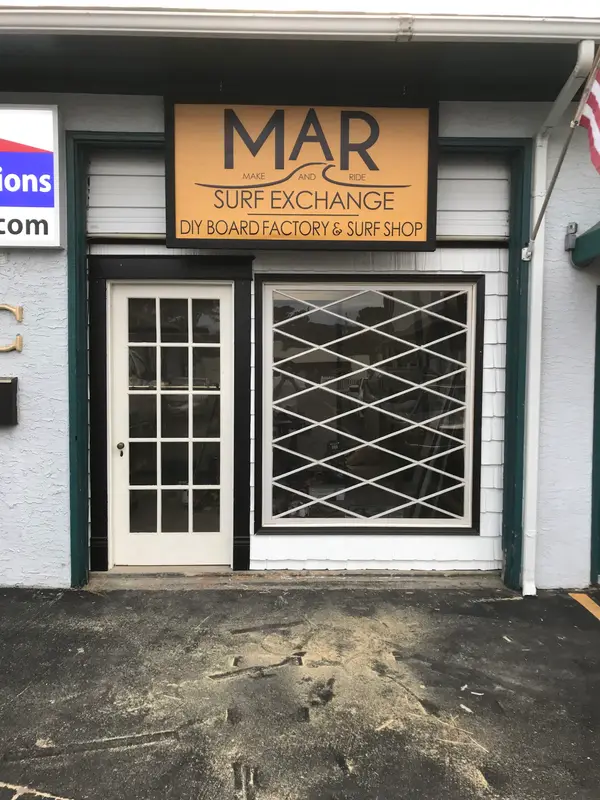
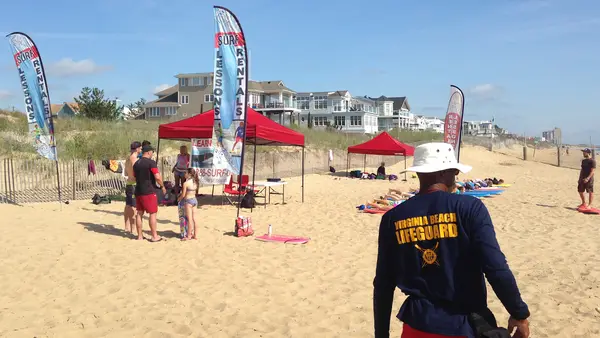
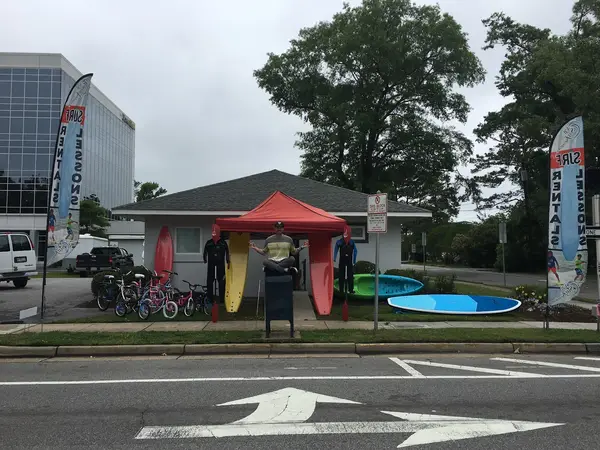
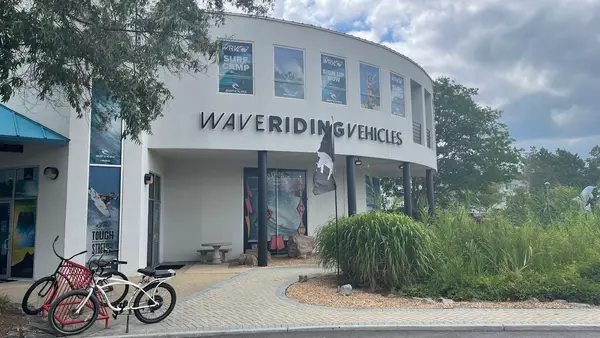
10 surf schools, camps and coaches
across Virginia
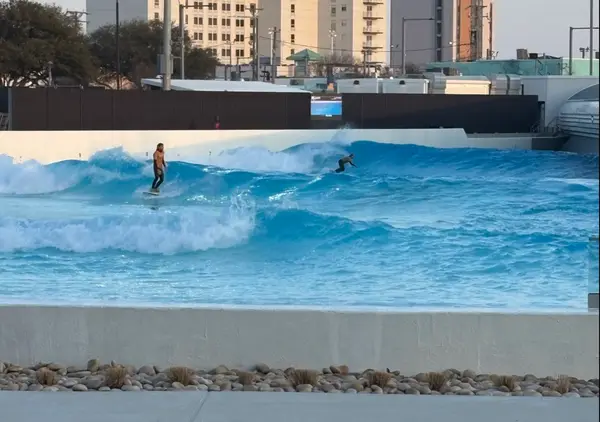





Watch it live
Live webcams in Virginia
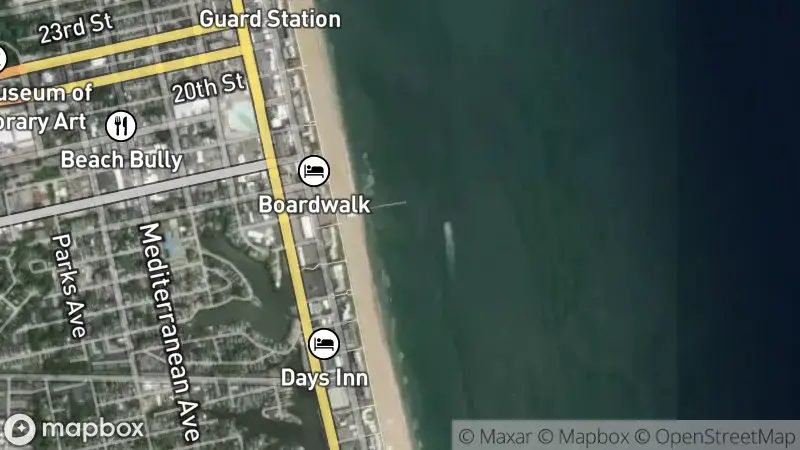 Location
Virginia Beach Fishing Pier Cam
via SurfChex
Watch livePlan your trip
Plan your trip to Virginia
Swell Season and Consistency
The most consistent swells occur from late summer through winter, driven by hurricanes and nor'easters. Summer months typically offer smaller, more beginner-friendly waves, with occasional larger swells from tropical systems.
Beginner vs. Advanced Breaks
Virginia Beach offers a range of beach breaks. North End and Croatan Beach can be good for beginners on smaller days, while piers (like Rudee Inlet) often attract more experienced surfers due to stronger currents and specific sandbar setups.
Water Temperature and Wetsuit Needs
Water temperatures vary significantly. Summer generally allows for boardshorts or a spring suit. Fall and spring require a 3/2mm or 4/3mm full wetsuit, and winter demands a 5/4mm or 6/5mm suit with boots, gloves, and a hood.
Surf School and Lesson Availability
Surf schools and private coaches are abundant in Virginia Beach, especially from late spring through early fall. It is advisable to book lessons in advance, particularly during peak summer months, due to high demand.
Local Etiquette and Access
Respect local surfers and beachgoers. Always check for designated swimming and surfing zones, especially near lifeguarded areas. Avoid dropping in on others, paddle wide around surfers, and be mindful of private property access points.
Parking and Beach Access
Parking can be challenging and expensive in popular areas during peak season. Utilize public access points and observe all posted parking restrictions to avoid fines. Some beaches may have specific hours for surfing.
Confirm current requirements with the state agency before your trip. Rules and fees change every season.
Marine Environmental Protection
The Virginia Marine Resources Commission (VMRC) enforces state laws designed to protect marine life and coastal ecosystems. Surfers are expected to avoid littering, disturbing marine animals, and damaging natural habitats, ensuring the preservation of Virginia's coastal resources.
Virginia Marine Resources CommissionWater Quality Advisories
The Virginia Department of Health (VDH) monitors recreational water quality and issues advisories for swimming and water contact when bacterial levels exceed safety standards. Surfers should check for current advisories, especially after heavy rainfall, to ensure safe conditions.
Commercial Surf School Operating Permits
Surf schools and instructors operating commercially in Virginia are typically required to obtain various state and local business licenses and permits. While not a direct requirement for visitors, choosing a properly licensed and insured operator ensures adherence to safety standards and professional conduct.
Local Beach Ordinances
Specific rules regarding beach access, hours of operation, designated surfing zones, and general conduct are often established by local municipalities, such as Virginia Beach. Surfers must comply with all posted local ordinances to ensure safe and respectful use of public beaches.
- 01
Research Virginia Beach Conditions
Start with the forecast for Virginia Beach, the state's main hub. Read swell size, direction, and period alongside the wind to get a feel for what the waves will do.
- 02
Book Lessons or Camp
New to surfing or new to the area? Set up a lesson with a certified Virginia Beach school, and book ahead for summer, spots go fast.
- 03
Assess Wetsuit Needs
Match your wetsuit to the season. Water temperatures swing hard through the year, so the right rubber is the difference between a good session and a cold, short one.
- 04
Understand Local Etiquette
Learn the basics (respect the lineup, don't drop in, give way to the surfer closest to the peak), and check for any local beach rules while you're at it.
- 05
Plan Beach Access and Parking
Sort out parking and access for your spot before you go, especially in Virginia Beach, where parking runs limited and pricey at peak times.
01What is the best time of year to surf in Virginia?
02Are there waves for beginners in Virginia?
03Do I need a wetsuit to surf in Virginia?
04How do I find a reputable surf school or coach?
05Can I rent surfboards and wetsuits in Virginia?
06Are there any specific hazards to be aware of while surfing in Virginia?
Free tools
Your free outdoor toolkit

Everything Map
Listings, trails, spots, clubs and public land on a single full-screen map. Switch layers on and off, then tap any point for the details.
Open Everything MapRoute Planner
Drop stops on a map and watch distance and drive time add up. Export a GPX or share the link.
Open Route PlannerSurf Clubs
Browse local clubs with meeting info and how to join, or start your own for free.
Open Surf ClubsPhoto ID
Point your camera at whatever you found and get a structured identification. No signup.
Open Photo IDGear Checklists
Printable, save-as-you-go packing lists. Tick items off and pull them up on your phone.
Open Gear ChecklistsMaintenance Schedules
Pick your machine and get its full service schedule. Add your hours to turn intervals into dates.
Open Maintenance Schedules
Keep exploring