Surfing · Massachusetts
Surfing in Massachusetts
Surf 11 surf schools, camps and coaches across Massachusetts. Maps, hours, contact info, photos, and verified operator profiles, all in one place.
Cape Cod, the Berkshires, and the Quabbin.
Updated
Highest rated
Surfing in Massachusetts by Google rating
Ranked by Google rating, then by number of reviews, across the 9 of 11 surf schools, camps and coaches in Massachusetts with 10 or more Google reviews. A blank cell means we do not have that detail yet.
| Name | City | Specialties | Rating |
|---|---|---|---|
| Sugar Surf Cape Cod | Eastham | 5.030 Google reviews | |
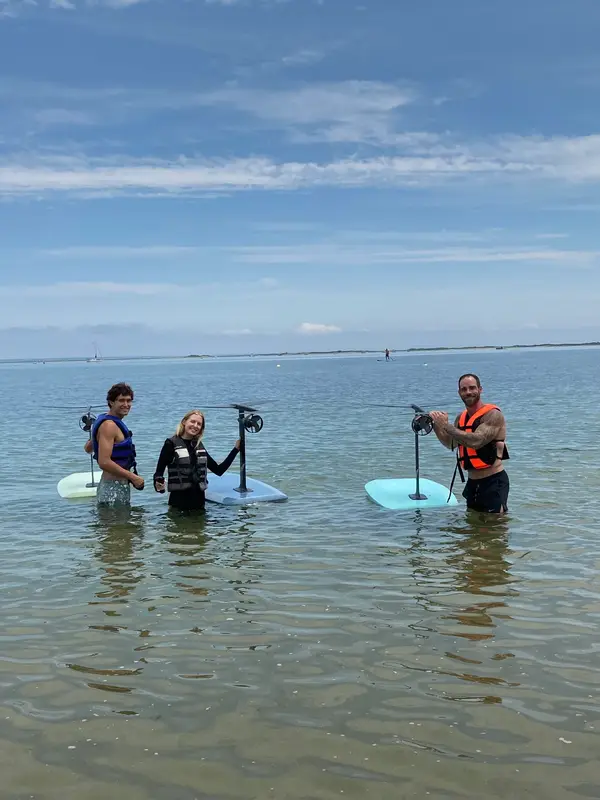
| eFoil Cape Cod Provincetown | Provincetown | Foil / Hydrofoil | 5.022 Google reviews |
| Northeast Surfing | Hull | 4.9146 Google reviews | |
| Boarding House Surf Shop | Hyannis | 4.992 Google reviews | |
| Ocean House Surf Shop | Gloucester | 4.887 Google reviews | |
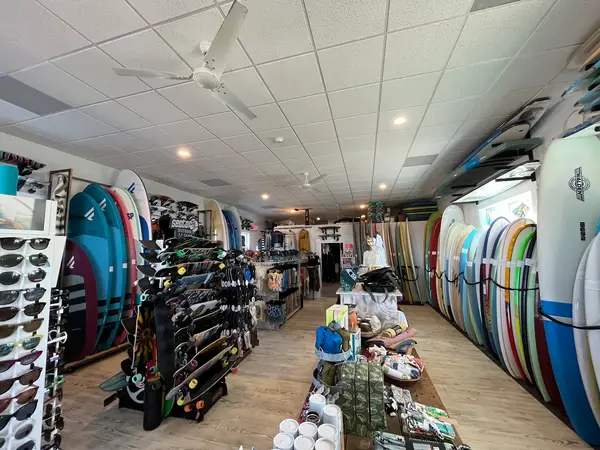
| Pump House Surf Shop | Orleans | 4.861 Google reviews | |
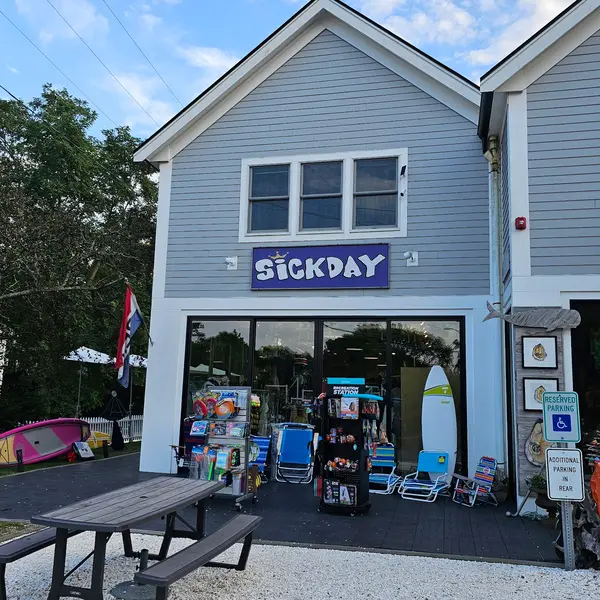
| SICKDAY | Wellfleet | 4.845 Google reviews | |
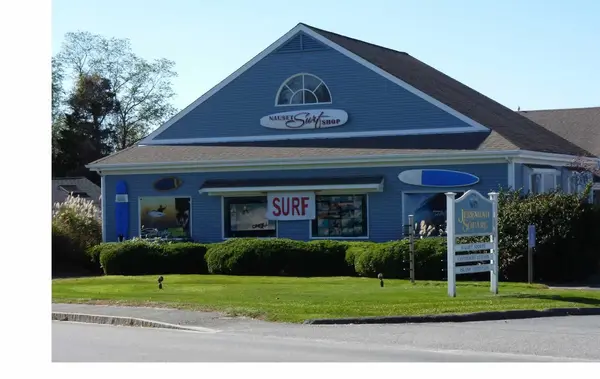
| Nauset Surf Shop | Orleans | 4.770 Google reviews |
All listings
11 surf schools, camps and coaches in Massachusetts




On the map
Surf schools in Massachusetts
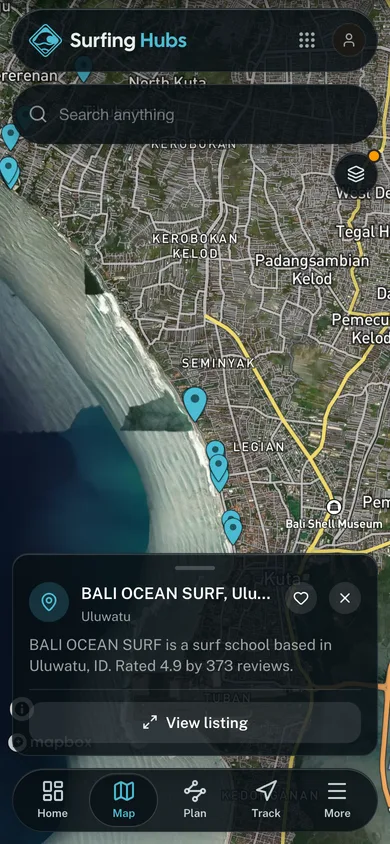
Everything we have mapped in Massachusetts, on one map. Tap anything for its details.
Loads the full map of Massachusetts. We leave it off by default so the page opens fast on mobile data.
About Massachusetts
When to surf in Massachusetts
Peak Aug–Oct
Quick facts
- Surf schools, camps and coaches listed
- 11
- Best season
- May through October
Trip guide
Know before you go in Massachusetts
Confirm current requirements with the agency that sets them before your trip. Rules and fees change every season.
Beach Parking and Access Fees
Many popular surf beaches in Massachusetts, particularly state parks and municipal beaches, require parking fees or passes. Visitors should verify the specific requirements and costs for their chosen beach, as fees can vary by season and location.
Coastal Zone Management Act Compliance
Activities within Massachusetts' coastal zone, including certain types of organized water recreation, must comply with the state's Coastal Zone Management Act. While individual surfing is generally unrestricted, larger events or commercial surf operations may require specific permits from local or state authorities.
Local Beach Bylaws and Ordinances
Many coastal towns in Massachusetts enforce specific bylaws regarding beach use, including designated swimming versus surfing areas, hours of operation, and rules concerning watercraft or public gatherings. Visitors should check local signage or municipal websites for specific regulations at their chosen surf spot.
01When is the best time of year to surf in Massachusetts?
02What kind of wetsuit do I need for surfing in Massachusetts?
03Are there good surf spots for beginners in Massachusetts?
04Can I rent surfboards and wetsuits in Massachusetts?
05Are there any specific safety concerns for surfing in Massachusetts?
06Do I need a special permit to surf at Massachusetts beaches?
Free tools
Your free outdoor toolkit

Keep exploring