Surfing · New York
Surfing in New York
Surf 14 surf schools, camps and coaches across New York. Maps, hours, contact info, photos, and verified operator profiles, all in one place.
Adirondacks, Catskills, the Finger Lakes, and the Long Island shore.
About New York
Best time to go
When to surf in New York
May through October. Peak fall color late September to mid-October.
- August–October: hurricane season brings the best swells
- Winter: powerful nor’easters, but cold, so bring a thick wetsuit
- Summer: frequently flat outside of tropical activity
14 on the map
Tap a pin to open its profile.
Quick facts
- Surf schools, camps and coaches listed
- 14
- Best season
- May through October
All listings
14 surf schools, camps and coaches
across New York
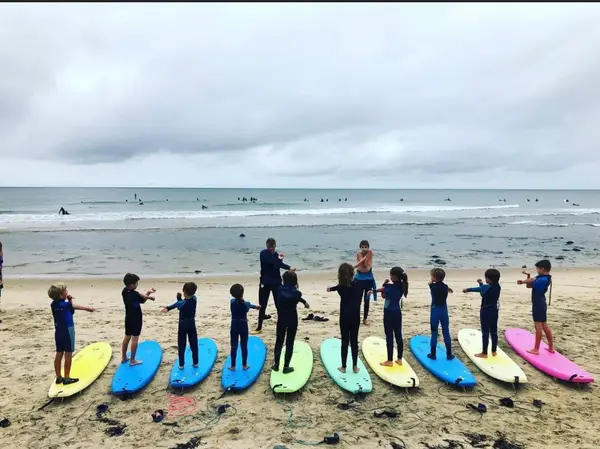

Watch it live
Live webcams in New York
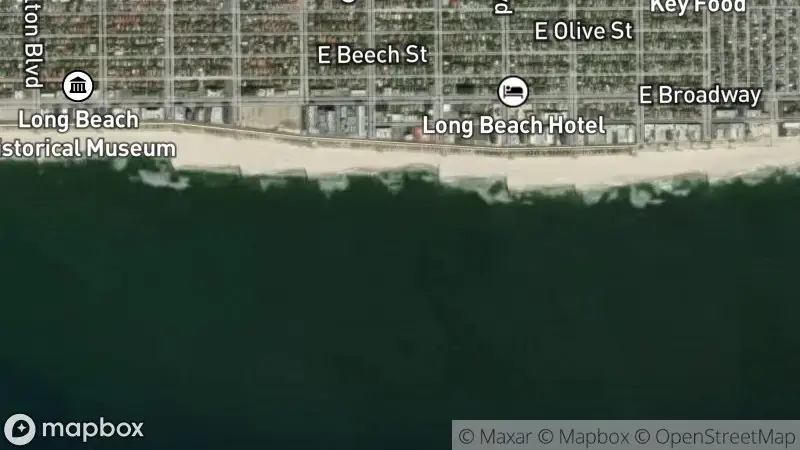 Location
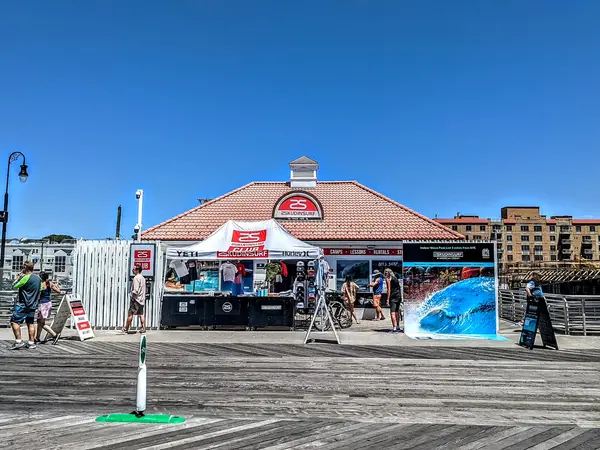
Long Beach Surf Cam
via Skudin Surf
Watch livePlan your trip
Plan your trip to New York
Swell Season and Consistency
The most consistent and powerful swells occur from fall through spring, driven by Atlantic storm systems. Summer typically features smaller, less consistent waves, often generated by distant tropical systems or local sea breezes, making it ideal for learning.
Beginner vs. Advanced Breaks
New York offers a range of breaks. Many beach breaks along Long Island and the Rockaways are suitable for beginners, especially on smaller days. More advanced surfers will find challenging conditions at spots like Ditch Plains in Montauk or during larger swells at exposed beach breaks.
Water Temperature and Wetsuit Needs
Water temperatures vary significantly. Expect cold water (40-50°F) from December to April, requiring a 5/4mm or 6/5mm wetsuit with boots, gloves, and hood. Spring and Fall see temperatures from 50-65°F (3/2mm or 4/3mm). Summer can reach 70-75°F, allowing for boardshorts or a shorty wetsuit.
Surf School and Lesson Availability
Surf schools and lesson providers are abundant during the summer months, particularly in popular areas like Long Beach, Rockaway Beach, and Montauk. Some schools offer year-round programs, but availability decreases significantly outside of peak summer season.
Local Etiquette and Access Notes
Always respect local lineups, wait your turn for waves, and avoid dropping in on others. Be aware of specific beach access points, parking regulations (many beaches require seasonal or daily permits), and designated swimming/surfing zones, which can vary by municipality.
Confirm current requirements with the state agency before your trip. Rules and fees change every season.
Beach Access and Parking Permits
Many popular surfing beaches in New York, particularly those operated by state parks or local municipalities, require a valid parking permit or beach pass for access, especially during peak season. Requirements vary by location, so verify with the specific beach or park authority.
Commercial Operator Licensing
Surf schools, camps, and coaches operating commercially in New York must adhere to general state and local business licensing requirements. This ensures compliance with health, safety, and operational standards, though specific 'surf school' licenses are not typically issued.
Designated Surfing Zones
Many beaches have specific zones designated for surfing to ensure safety for both surfers and swimmers. Violating these designated areas can result in fines or removal from the water. Always check local signage or with lifeguards for current regulations.
Dune and Protected Area Regulations
New York has strict regulations regarding walking on, disturbing, or damaging dunes and other protected coastal vegetation. Access to beaches should only be via designated pathways to prevent erosion and protect fragile ecosystems.
- 01
Research Surf Spots and Conditions
Pick spots that fit your ability and read the season first. Fall and winter throw bigger waves for the experienced; summer's small, gentle days are the ones to learn on.
- 02
Acquire Appropriate Gear
Match the wetsuit to the month. Cold season means a 5/4mm or 6/5mm with boots, gloves, and hood, no exceptions. Rent a board if you're not hauling your own out.
- 03
Book Lessons or a Surf Camp
New to surfing or new to the area? Line up a lesson with a reputable school or join a camp. Most operators set up in Long Beach, Rockaway Beach, and Montauk through summer.
- 04
Verify Beach Access and Parking
Before you drive out, check whether your beach needs a parking permit or pass, plenty of the popular ones do. Municipal and state park sites list the current rules and fees.
- 05
Understand Local Etiquette
Get the basics down: right-of-way, no dropping in, respect for the lineup. Follow the posted signs on surfing zones and stay off the dunes.
01What is the best time of year to surf in New York?
02Do I need a wetsuit to surf in New York?
03Are there beginner-friendly surf spots in New York?
04Where can I find surf lessons or camps?
05What are the typical water temperatures in New York for surfing?
06Are there any specific regulations or permits I need for surfing?
Free tools
Your free outdoor toolkit

Everything Map
Listings, trails, spots, clubs and public land on a single full-screen map. Switch layers on and off, then tap any point for the details.
Open Everything MapRoute Planner
Drop stops on a map and watch distance and drive time add up. Export a GPX or share the link.
Open Route PlannerSurf Clubs
Browse local clubs with meeting info and how to join, or start your own for free.
Open Surf ClubsPhoto ID
Point your camera at whatever you found and get a structured identification. No signup.
Open Photo IDGear Checklists
Printable, save-as-you-go packing lists. Tick items off and pull them up on your phone.
Open Gear ChecklistsMaintenance Schedules
Pick your machine and get its full service schedule. Add your hours to turn intervals into dates.
Open Maintenance Schedules
Keep exploring