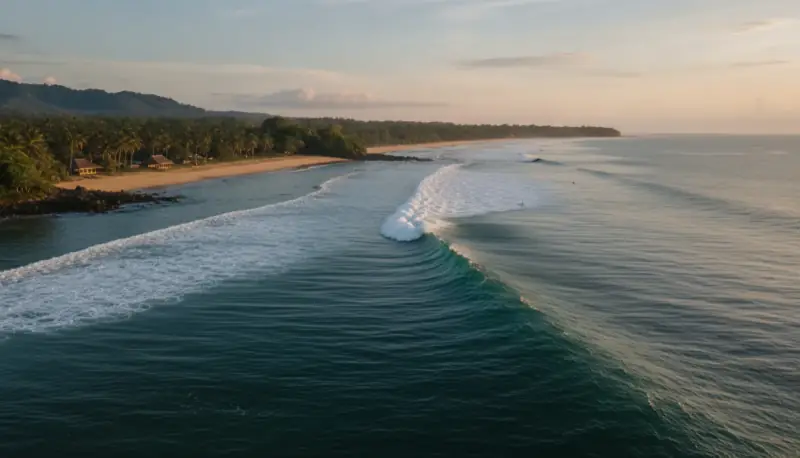
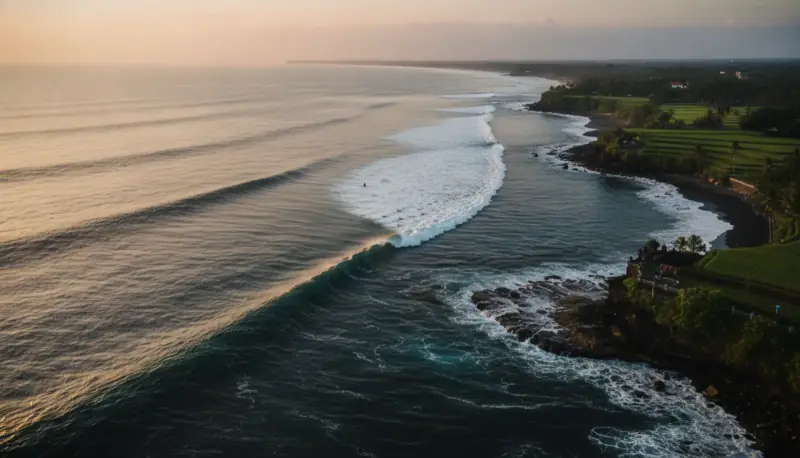
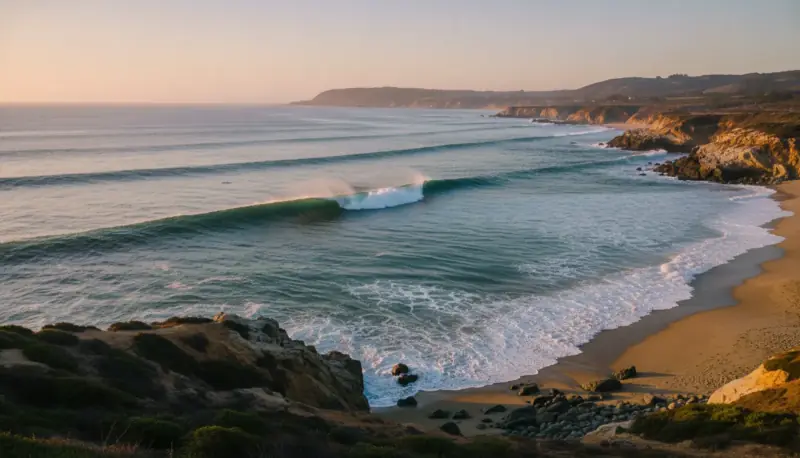
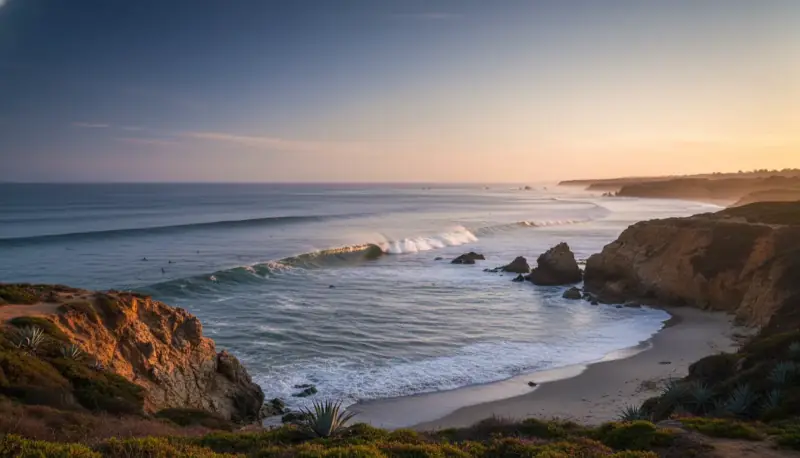
Portugal's Atlantic coast has earned its reputation as Europe's premier surf destination, and for intermediate surfers, it represents a sweet spot between the overcrowded beginner beaches and the heavy, technical reefs that demand expert skill. The Portuguese coastline offers consistent, approachable swell, a thriving local culture, and dozens of established spots where intermediate surfers can test their abilities without fear of life-threatening power. From Peniche's reliable beachbreaks to Ericeira's diverse lineup, Portugal delivers everything an intermediate surfer needs: forgiving wave mechanics, growing proficiency pathways, and year-round swell. This guide walks you through Portugal's top intermediate destinations, when to go, and how to respect a wave culture that spans generations.
Why Portugal for Intermediate Surfers
Portugal stands apart as an intermediate surfer's entry point to serious European wave hunting. The country sits at the edge of the Atlantic, receiving consistent Atlantic swells from both summer southern hemispheric storms and winter low-pressure systems that sweep across the north. Unlike Mediterranean destinations, Portuguese breaks rarely lack swell, something that can't be said for many other European alternatives. The consistency means you can plan a trip with confidence that you'll find rideable waves across a range of ability levels.
What makes Portugal especially forgiving is its diversity of break types. While the country certainly hosts challenging reef (and left-hander specialists will find fast, hollow tubes at exposed reefs), the majority of Portugal's intermediate-friendly lineup is anchored by beachbreaks and sandy-bottomed point breaks that reward technique over pure power. These breaks roll through without the jarring impact of rocky bottoms and offer natural wave-slowing features that buy you time to position yourself. Around Peniche and Ericeira, breaks cluster within a roughly 50-kilometer stretch of the central coast, meaning multiple options on any given swell day. (The Algarve, Portugal's other great surf region, sits far to the south, a separate trip, not a day's drive.)
Portugal's operator and guide ecosystem has matured over two decades of tourism. Established surf camps, local instructors, and a tight community of English-speaking operators make logistics straightforward. You won't spend energy hunting for information or wondering whether a guide can be trusted, the reputation system works. Compared to Indonesia, Hawaii, or even Costa Rica, Portugal delivers comparable wave quality and community depth at a fraction of the cost, with shorter flights from North America and Europe.
Peniche – The Accessible Hub
Peniche is Portugal's de facto surf headquarters, and for intermediate surfers its real advantage is range. The town sits on a peninsula that juts into the Atlantic, creating a natural wave-catch basin. On the exposed west-facing side, Supertubos throws machine-like, hollow beachbreak tubes that are an advanced surfer's wave (more on that below), while the sheltered east-facing Baleal and Peniche bays hold smaller, slower, far more forgiving rollers, the breaks an intermediate should actually be surfing. This one-town, multiple-break structure is a massive advantage: you can check conditions in the morning and paddle out to whichever break matches both the day's energy and your skill level.
Supertubos itself, the peninsula's headline break, has hosted professional competitions for decades and maintains a devoted local crew, and that credential is earned: it's one of Europe's heaviest, hollowest beachbreaks, a fast, dredging barrel (primarily a left) that pros chase precisely because it's so demanding. Be honest with yourself about it. When it's working, Supertubos is an advanced wave, the kind of hard-breaking tube that punishes a late drop, not an everyday intermediate cruiser. Intermediate surfers are far better served by the gentler, slower rollers in the east-facing Baleal and Peniche bays, where the swell is knocked down and you can build confidence before ever paddling out at Supertubos. Treat Supertubos as a wave to watch, study, and step up to only on a small, clean day with a guide. Expect crowds and a long paddle-out there; early morning or late afternoon sessions thin the lineup considerably.
Peniche's town infrastructure cements its role as a base. Dozens of surf camps, restaurants, and rental shops mean you're not piecing together logistics from scattered guides. Hotels and accommodations range from budget hostels to mid-range apartments. The town is walkable and welcoming, with an actual town center, not a remote beach with one restaurant. After surfing, you can grab fresh seafood, explore the town's fishing museum, or simply rest on the promenade and watch the Atlantic in action.
Ericeira – Break Diversity and Skill Progression
About 50 kilometers south of Peniche, Ericeira trades Peniche's scale for something equally valuable: genuine break diversity within a compact geography. Where Peniche specializes in beachbreaks, Ericeira serves up point breaks, sand-bottom reef passes, and exposed reefs that cater to different intermediate skill levels. If you land in Ericeira as a solid intermediate, you can spend a week surfing progression, hitting the forgiving point breaks early in the week, then testing yourself on slightly demanding reef setups later as your body acclimates and your wave reading sharpens.
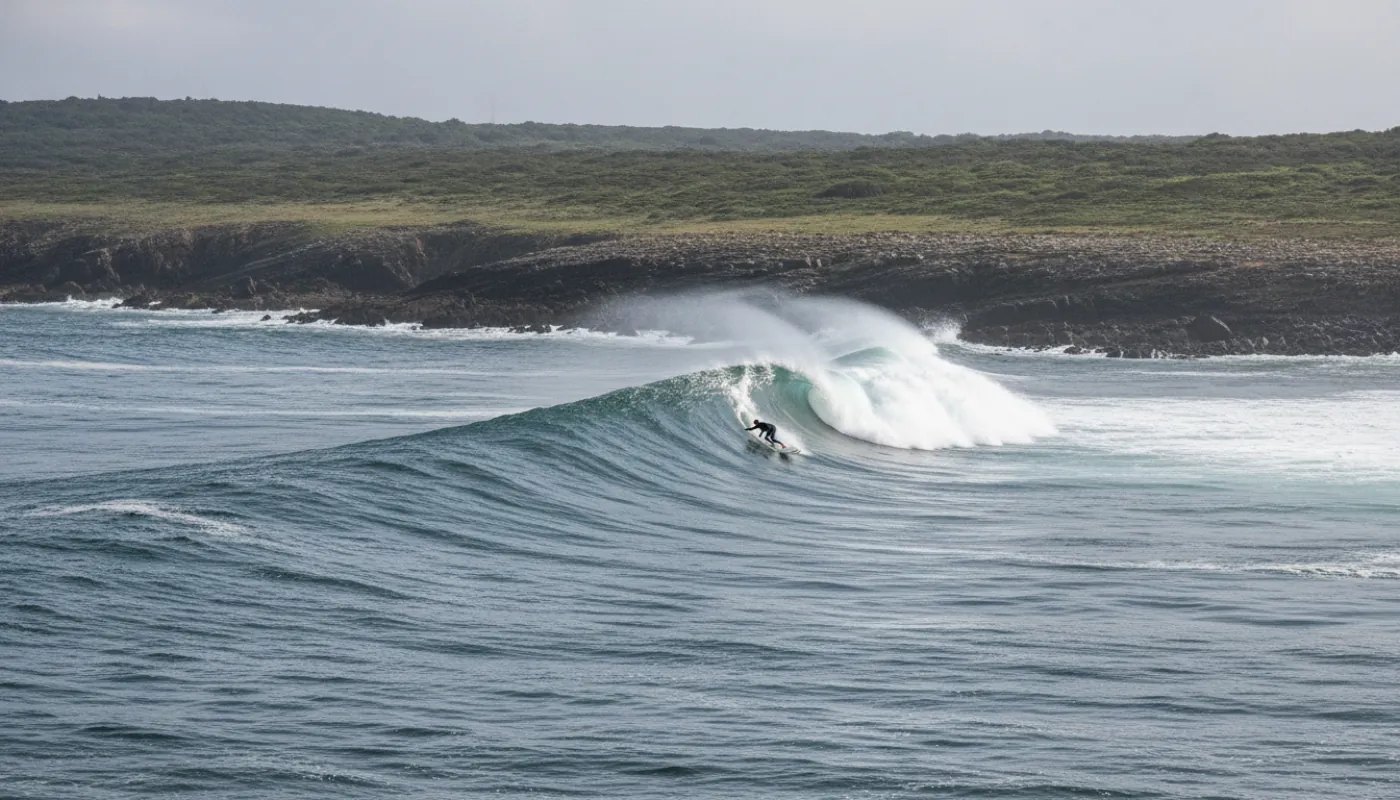
Ribeira d'Ilhas, Ericeira's signature right-hand point break, sits at the top of the intermediate-accessible pyramid. The wave wraps around a rocky point with a long, peeling wall that rewards clean technique and patience, exactly the kind of break that teaches footwork and speed. A 6–8 foot swell at Ribeira feels powerful without being terrifying. It sits inside the Ericeira World Surfing Reserve (designated by the Save The Waves Coalition in 2011 as the first such reserve in Europe, a 4-kilometer stretch protecting seven breaks), a status that speaks to the coast's environmental health and global standing within the community. The crowd here leans knowledgeable and respectful compared to many popular breaks.
For a gentler first day, Foz do Lizandro (just south of town) serves ankle-to-chest beachbreak waves that sit in the bay and stay forgiving even on medium swell. Ericeira's combination of approachable warm-up spots and intermediate-progression challenges makes it an ideal launching point for surfers who want to dial in their technique before moving to heavier terrain.
Seasonal Timing and Swell Windows
Portugal's swell season doesn't follow the neat tropical-hurricane schedule of Central America or the southern hemisphere swells that define Indonesia and Australia. Instead, the Portuguese Atlantic responds to two distinct pressure systems: autumn and winter Atlantic storms deliver the biggest, most reliable swells from September through March, while summer brings smaller, more inconsistent groundswell from distant southern hemispheric storms.
For intermediate surfers, the ideal window is late September through November. Water runs about 16–19°C early in that window and cools toward 14–16°C by November, a 4/3mm wetsuit is the right call, and Atlantic swells are consistent without being life-threatening. October in particular sits in a sweet spot: summer crowds thin considerably after the school-holiday rush, but the water hasn't yet cooled to full winter chill. Waves in this period run 3–6 feet on average, with regular 4–5 foot sets, ideal for building consistency and testing new maneuvers. Winter (December–February) delivers bigger, more powerful swell, but the Atlantic dumps more water and cold fronts move through rapidly, sometimes creating unsurfable chop or extreme tide rips.
Summer (June–August) skews smaller, usually 2–4 feet, and choppy from thermal winds. Summer works if you're a beginner-intermediate hybrid or if you're using the smaller waves as a technical refinement period. Spring (April–May) is a transitional window: water temperature climbs, crowds start building again, and swell becomes erratic. If you're planning your trip, treat late September through November as the optimal intermediate window: consistent swell, manageable water temps, and fewer competitors in the water.
Respect and Local Culture
Portugal's surf community has existed for 50+ years, and the local respect framework isn't negotiable. Unlike some destinations where tourism culture has diluted wave etiquette, the Portuguese breaks, especially Peniche and Ericeira, maintain strong unwritten codes rooted in genuine local passion. Disrespecting that costs you access and damages an already-fragile relationship between international surfers and the communities that maintain these breaks.
The baseline rule is simple: watch the lineup before you paddle out. Observe who takes what waves, where the peak shifts, and how locals navigate crowded conditions. Intermediate surfers often paddle out and immediately start catching waves, a rookie move that reads as audacious rather than eager. Spend your first 15 minutes observing. Get a sense of the break's personality. Introduce yourself to the vibe. Most Portuguese locals welcome respectful international surfers, especially those who acknowledge the local crew rather than ignore them.
Second, understand tide and current. Portuguese breaks shift dramatically with tide changes; a peak at mid-rising tide becomes a choppy, scattered mess at dead high. Ericeira's points in particular require tide knowledge, paddling out at the wrong hour means fighting current that'll exhaust you. Ask locals, check tide charts, and time your sessions accordingly. Finally, book a guide or lesson in the first day or two. It's a modest investment that immediately connects you to the local economy and signals respect. A guide will introduce you to the unwritten rules of each break and, crucially, put a face and name to the community you're visiting.